
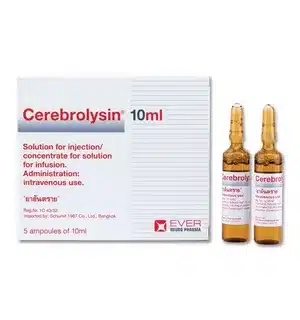
Cerebrolysin is a neuropeptide-based nootropic and neuroprotective agent derived from porcine brain proteins. It contains a mixture of low-molecular-weight peptides and amino acids that can cross the blood-brain barrier, supporting neuronal function and regeneration. It has been widely used in Europe and Asia for treating various neurological and cognitive conditions, although it is not FDA-approved in the United States.
How It Works
Cerebrolysin mimics the effects of endogenous neurotrophic factors (proteins that support neuron survival, growth, and repair). Its proposed mechanisms include:
-
Neuroprotection – shields brain cells from oxidative stress and excitotoxicity.
-
Neuroregeneration – stimulates neurogenesis and synaptic repair.
-
Metabolic Support – improves neuronal metabolism and energy efficiency.
-
Anti-apoptotic Effect – helps prevent programmed cell death in damaged neurons.
Potential Benefits
Research and clinical use suggest Cerebrolysin may help with:
-
Stroke recovery – improving motor function and reducing neurological deficits.
-
Traumatic brain injury (TBI) – enhancing cognitive and functional outcomes.
-
Alzheimer’s disease & dementia – slowing cognitive decline and supporting memory.
-
Parkinson’s disease – potential supportive therapy for motor and cognitive symptoms.
-
Mild cognitive impairment (MCI) – improving attention, learning, and mental clarity.
-
ADHD & developmental disorders – used in some pediatric cases to improve attention and behavior.
Administration
-
Form: Injectable solution (intravenous or intramuscular).
-
Typical course: 5–10 mL daily for 10–20 days, followed by maintenance cycles.
-
Note: Dosage varies depending on the condition, severity, and medical guidance.
Possible Side Effects
Generally well-tolerated, but some may experience:
-
Headache
-
Dizziness
-
Increased sweating
-
Restlessness or anxiety
-
Temporary changes in blood pressure
Legal Status
-
Approved: Many European and Asian countries (prescription only).
-
Not approved: USA, UK, Canada (can be obtained via certain international suppliers).
Conclusion
Cerebrolysin is considered a powerful neuroprotective and neuroregenerative therapy with decades of clinical use. While evidence supports its role in improving outcomes in stroke, TBI, and neurodegenerative conditions, its availability and use depend on local regulations. Medical supervision is essential for safe and effective treatment.
| MG | 60mg *6 vials |
|---|
Be the first to review “Buy cerebrolysin Online”
Related products
peptides

peptides
peptides
peptides
peptides
peptides
peptides
Reviews
There are no reviews yet.