
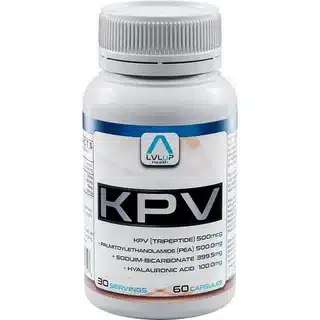
KPV is a short peptide composed of three amino acids—Lysine (K), Proline (P), and Valine (V).
It is a natural fragment of the larger α-Melanocyte-Stimulating Hormone (α-MSH), known for its potent anti-inflammatory and immune-modulating properties. Unlike some larger peptides, KPV is non-pigmenting, meaning it does not affect skin color or melanin production.
Mechanism of Action
KPV works primarily by reducing pro-inflammatory signaling in the body. It has been shown to:
-
Suppress NF-κB activation – a key pathway that drives chronic inflammation.
-
Inhibit production of pro-inflammatory cytokines such as TNF-α, IL-1β, and IL-6.
-
Support tissue healing by modulating the immune response without completely shutting it down.
This makes it attractive in research related to inflammatory bowel disease, skin inflammation, wound healing, and systemic inflammatory conditions.
Potential Benefits
-
Anti-Inflammatory Support
-
Helps calm overactive immune responses.
-
May reduce swelling, redness, and tissue irritation.
-
-
Gut Health
-
Shows promise for conditions like ulcerative colitis and Crohn’s disease in research models.
-
May protect the gut lining and reduce intestinal inflammation.
-
-
Skin Healing
-
Can assist with eczema, psoriasis, dermatitis, and wound recovery.
-
Reduces redness and irritation without affecting pigmentation.
-
-
Systemic Immune Modulation
-
May help in conditions involving chronic low-grade inflammation.
-
Potential use in autoimmune-related inflammatory pathways.
-
Forms of Administration
-
Topical cream or gel – for localized skin inflammation or wound areas.
-
Oral capsule – for gut inflammation and systemic support (requires specialized formulation for stability).
-
Injectable – used in research for systemic delivery.
Safety Profile
-
Generally well-tolerated in studies.
-
Non-toxic, non-pigmenting, and does not affect hormone levels significantly.
-
Being a natural peptide fragment, it has a low risk of allergic reactions.
Research Status
KPV is not an FDA-approved drug and is primarily used in research settings. While early data is promising—especially for gut health and skin conditions—more human clinical trials are needed before widespread medical use.
| MG | 10mg*10vials |
|---|---|
| Cat. No | KP10 |
Be the first to review “Buy KPV Online”
Related products
peptides
peptides
peptides
peptides
peptides
peptides
peptides
peptides
Reviews
There are no reviews yet.