

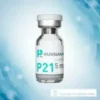
PNC27 is a synthetic peptide designed for research into targeted cancer therapies. It is notable for its ability to selectively attack cancer cells while sparing healthy cells. The peptide was developed based on segments of the p53 tumor suppressor protein—specifically, the MDM2-binding domain—linked to a cell-penetrating peptide sequence. This design enables PNC27 to penetrate cancer cell membranes and induce cell death.
Mechanism of Action
-
Targeted Binding:
PNC27 binds to the HDM2/MDM2 protein complex, which is often overexpressed in many cancer cells. -
Membrane Disruption:
Once bound, it interacts with cell membranes containing HDM2 proteins, creating pores that cause cancer cell lysis (rupture). -
Selectivity:
Research indicates it leaves normal, non-cancerous cells largely unaffected because they typically lack high membrane HDM2 expression.
Potential Applications (Research Only)
-
Oncology Research: Studied for its potential to target solid tumors and certain hematologic malignancies.
-
Therapeutic Development: May serve as a model for peptide-based cancer therapeutics.
-
Combination Studies: Being explored with other anti-cancer agents to assess synergy and reduced toxicity.
Key Benefits in Studies
-
Selective toxicity to cancer cells.
-
Minimal impact on normal cells in preliminary data.
-
Novel mechanism distinct from traditional chemotherapy.
Limitations & Considerations
-
Experimental Status: Not approved for human use—available only for laboratory research.
-
Safety Unknowns: Long-term safety, pharmacokinetics, and optimal delivery methods remain under investigation.
-
Regulatory Status: Not FDA-approved or cleared for clinical treatment.
Disclaimer: PNC27 is an experimental compound. All findings are based on preclinical or early-stage research, and it should only be used by qualified professionals in controlled research settings.
| MG | 5mg *10 vials |
|---|
Be the first to review “Buy PNC27 Online”
Related products

peptides

peptides
peptides
peptides

peptides

peptides


peptides
Reviews
There are no reviews yet.