
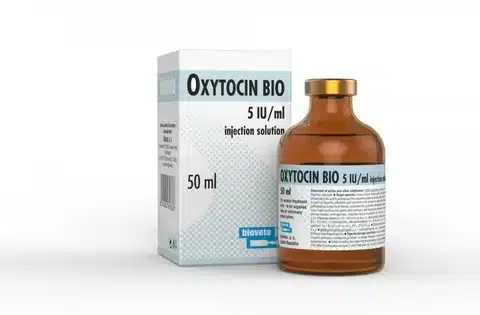

Oxytocin Acetate is a synthetic version of the naturally occurring hormone oxytocin, modified into its acetate salt form for improved stability and solubility in pharmaceutical or research applications. It is commonly used in both clinical and research settings, particularly in the study of social behaviors, emotional bonding, and reproductive health.
What is Oxytocin?
Oxytocin is a peptide hormone and neuropeptide produced by the hypothalamus and secreted by the posterior pituitary gland. It plays a critical role in:
-
Uterine contractions during labor
-
Milk ejection during breastfeeding
-
Emotional bonding between individuals
-
Trust and empathy in social interactions
Oxytocin Acetate in Research and Therapy
In its acetate form, Oxytocin is more stable for storage and transport, making it suitable for:
Medical Uses:
-
Induction of labor in pregnant women
-
Control of postpartum bleeding
-
Lactation support in cases of insufficient milk let-down
Psychological & Neurological Studies:
-
Studied for its effects on:
-
Autism Spectrum Disorders
-
Social anxiety and PTSD
-
Emotional recognition and empathy
-
Depression and mood regulation
-
Mechanism of Action
Oxytocin binds to oxytocin receptors (OXTR), primarily located in the uterus, mammary glands, and various brain regions. This binding:
-
Stimulates smooth muscle contractions in the uterus and mammary glands.
-
Influences neural activity related to emotion and social behavior.
Formulations and Administration
Oxytocin Acetate is usually supplied as:
-
Lyophilized powder for reconstitution
-
Intranasal spray
-
Injectable solution
Routes of administration include:
-
Intramuscular (IM)
-
Intravenous (IV)
-
Intranasal (for research or neuropsychiatric use)
Storage and Stability
-
Should be stored in a cool, dry place
-
Reconstituted solutions should be refrigerated and used within a specified period (usually 30 days)
Safety and Side Effects
While generally well-tolerated in controlled doses, potential side effects may include:
-
Uterine hyperstimulation
-
Nausea, headache, or flushing
-
Water retention or electrolyte imbalance (in high doses)
-
Emotional changes (in intranasal applications)
| MG | 2mg*10vials, 5mg*10vials, 10mg*10vials |
|---|---|
| Cat. No | OT2, OT5, OT10 |
Be the first to review “Oxytocin Acetate”
Related products
peptides
peptides
peptides
peptides
peptides
peptides
peptides
Reviews
There are no reviews yet.