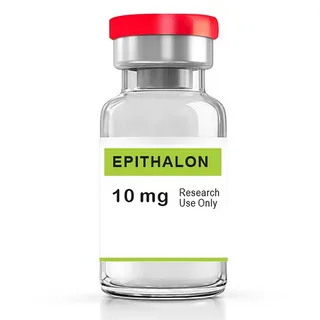
Epithalon (also spelled Epitalon) is a synthetic peptide made up of four amino acids (a tetrapeptide): Ala-Glu-Asp-Gly. It was originally developed in Russia by Dr. Vladimir Khavinson and is derived from a natural peptide called Epithalamin, which is produced in the pineal gland. Epithalon is primarily known for its anti-aging and telomerase-activating properties.
Key Benefits of Epithalon
-
Telomere Extension
Epithalon is widely studied for its ability to activate telomerase, an enzyme that maintains the length of telomeres (protective caps at the ends of chromosomes). Telomere shortening is linked to aging and cell senescence, so their preservation may help delay aging processes. -
Anti-Aging Effects
By supporting cell longevity and telomere health, Epithalon may promote cellular rejuvenation and increase lifespan, as shown in animal studies. -
Pineal Gland Support
Epithalon supports melatonin production by stimulating the pineal gland, thereby helping to regulate circadian rhythm and improve sleep quality. -
Immune System Modulation
It may enhance the immune system by supporting thymus gland function and balancing immune cell production, particularly in older individuals. -
Antioxidant Properties
Epithalon may reduce oxidative stress by decreasing the production of free radicals, contributing to anti-inflammatory and protective effects on tissues. -
Potential Cancer-Fighting Properties
Some studies suggest that Epithalon could help suppress tumor growth, particularly through telomerase regulation and improved immune function, although more human data is needed.
Mechanism of Action
Epithalon works primarily by:
-
Stimulating telomerase activity in somatic cells, which can lengthen telomeres and enhance DNA stability.
-
Regulating the expression of certain genes involved in aging and apoptosis (cell death).
-
Influencing the hypothalamic-pituitary axis to promote hormonal balance.
How It’s Used
-
Administration: Typically administered via subcutaneous injection, though some forms exist in oral or nasal spray formats (less bioavailable).
-
Dosage: Often cycled in 10-20 day courses, with dosages ranging from 5–10 mg per day, depending on the protocol and individual goals.
-
Frequency: Some regimens recommend repeating the cycle twice a year for longevity benefits.
Safety and Side Effects
-
Generally well-tolerated in research and anecdotal use.
-
Mild side effects may include injection site irritation, dizziness, or sleep changes.
-
Long-term human studies are limited; users should proceed with caution and consult medical professionals before use.
Conclusion
Epithalon is a promising peptide with potential anti-aging, telomere-extending, and immune-supporting effects. Though human data is still developing, it remains a subject of interest in the fields of longevity research, regenerative medicine, and biohacking. As with any experimental compound, careful use and professional oversight are advised.
| MG | 10iu*10vials, 50iu*10vials |
|---|---|
| Cat. No | ET10, ET50 |
Be the first to review “Epithalon”
Related products
peptides
peptides
peptides
peptides
peptides
peptides
peptides
peptides
Reviews
There are no reviews yet.