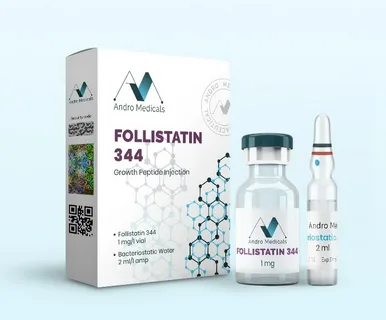

Follistatin is a naturally occurring protein found in almost all tissues of the body. It plays a key regulatory role in muscle growth, inflammation, and cell development. The most commonly studied form is Follistatin-344, a synthetic variant used for research and potential therapeutic applications.
How Follistatin Works
Follistatin functions primarily by binding to and inhibiting myostatin, a protein that restricts muscle growth. Myostatin is part of the TGF-β (Transforming Growth Factor-beta) family, and its suppression allows for increased muscle hypertrophy and strength.
Additionally, Follistatin also inhibits activins, which are involved in inflammation, reproductive functions, and cellular differentiation.
Key Benefits of Follistatin
1. Muscle Growth and Strength
-
Blocks myostatin, promoting significant increases in lean muscle mass.
-
Used by bodybuilders and athletes to enhance performance and recovery.
-
Potential therapeutic use in treating muscle-wasting diseases (e.g., muscular dystrophy).
2. Fat Loss
-
May promote fat oxidation and reduce adipose tissue, particularly visceral fat.
-
Supports lean body composition when combined with resistance training.
3. Anti-Aging & Longevity
-
Research suggests follistatin could play a role in cell regeneration and tissue repair.
-
May contribute to better metabolic function and reduced systemic inflammation.
4. Reproductive Health
-
Inhibits activin, which influences FSH (Follicle-Stimulating Hormone), impacting fertility and reproductive hormone balance.
Common Forms of Follistatin
-
Follistatin-344 – Most researched form, usually administered via injection.
-
Follistatin-315 – Naturally occurring, mainly found in the bloodstream.
-
Gene Therapy Versions – Experimental treatments being studied for long-term expression in muscle tissue.
Follistatin in Research and Medicine
Ongoing studies are investigating Follistatin’s potential in:
-
Treating cachexia (muscle wasting from chronic illness)
-
Combating obesity and metabolic syndrome
-
Improving muscle regeneration after injury or surgery
-
Anti-fibrotic effects in organ tissues (e.g., liver and lungs)
Potential Side Effects
While promising, follistatin use—especially synthetic or gene therapy versions—can come with risks:
-
Hormonal imbalances
-
Uncontrolled muscle growth
-
Organ strain
-
Long-term effects remain largely unknown, as most studies are still preclinical.
Legality and Availability
-
Follistatin is not approved by the FDA for medical or performance use.
-
Often sold for research purposes only.
-
It is banned by WADA (World Anti-Doping Agency) for use in competitive sports.
Conclusion
Follistatin is a powerful protein with exciting potential for enhancing muscle growth, reducing fat, and aiding regenerative medicine. However, due to its potent effects and limited clinical data, it should be approached with caution, especially outside controlled research settings.
| MG | 1mg*10vials |
|---|---|
| Cat. No | FN1 |
Be the first to review “Buy Follistatin Online”
Related products
peptides
peptides
peptides
peptides
peptides
peptides
peptides
peptides
Reviews
There are no reviews yet.