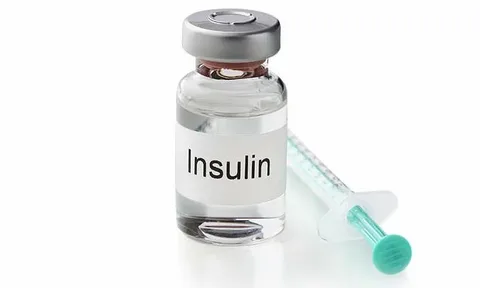


Insulin is a hormone naturally produced by the beta cells in the pancreas, specifically in an area called the islets of Langerhans. Its primary role is to regulate blood glucose (sugar) levels, ensuring the body maintains a healthy energy balance. Without insulin, the body cannot properly store or use glucose for energy.
How Insulin Works
-
Blood Sugar Regulation
-
After eating, carbohydrates are broken down into glucose.
-
Insulin helps move glucose from the bloodstream into cells, where it is used for energy or stored for later use.
-
-
Storage of Energy
-
In the liver and muscles, insulin promotes the storage of glucose as glycogen.
-
In fat tissue, it supports the storage of energy as triglycerides.
-
-
Preventing Excess Glucose Production
-
Insulin signals the liver to reduce glucose production when levels are high.
-
Types of Insulin (Medical Use)
In medicine, insulin is used to treat diabetes mellitus, particularly type 1 diabetes and advanced type 2 diabetes. It can be synthetic (human insulin) or analog (modified for specific effects).
-
Rapid-acting insulin – works within 15 minutes, lasts 2–4 hours.
-
Short-acting insulin – starts in 30 minutes, lasts 3–6 hours.
-
Intermediate-acting insulin – starts in 2–4 hours, lasts 12–18 hours.
-
Long-acting insulin – steady effect for 24+ hours.
-
Ultra-long-acting insulin – lasts up to 42 hours.
Insulin and Diabetes
-
Type 1 Diabetes – The body produces little or no insulin; lifelong insulin therapy is required.
-
Type 2 Diabetes – The body becomes resistant to insulin or doesn’t make enough; insulin therapy may be needed when oral medications aren’t enough.
-
Gestational Diabetes – Some pregnant women may need insulin to keep blood sugar under control.
Administration
-
Subcutaneous injection (most common) using pens, syringes, or pumps.
-
Inhaled insulin (rapid-acting option).
-
Insulin pumps deliver continuous insulin doses for better control.
Risks and Side Effects
-
Hypoglycemia (low blood sugar) – can cause dizziness, confusion, seizures.
-
Weight gain – due to improved glucose utilization.
-
Injection site reactions – redness, swelling, or lumps.
Key Points to Remember
-
Insulin is essential for life; without it, glucose builds up in the blood, leading to serious health complications.
-
Balance of diet, exercise, and insulin dosing is critical for people using insulin therapy.
-
Modern insulin analogs allow more precise and flexible control compared to older forms.
| MG | 3mg*10vials |
|---|---|
| Cat. No | ISU |
Be the first to review “Buy Insulin Online”
Related products

peptides
peptides
peptides

peptides
peptides

peptides

peptides
peptides
Reviews
There are no reviews yet.