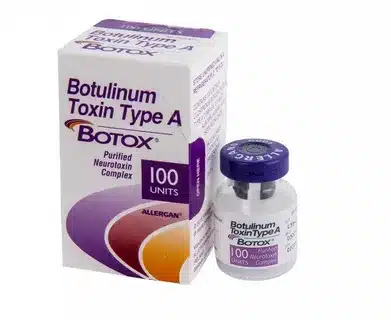
Botulinum toxin is a neurotoxic protein produced by the bacterium Clostridium botulinum. In its natural form, it is one of the most potent toxins known, but in medicine and cosmetics, it is purified, highly diluted, and used in very controlled doses. The most well-known brand is Botox, though there are others like Dysport, Xeomin, and Jeuveau.
How It Works
Botulinum toxin blocks the release of acetylcholine, a neurotransmitter that signals muscles to contract. When injected into targeted muscles:
-
It temporarily relaxes them
-
Reduces excessive movement
-
Smooths out skin over time (in aesthetic use)
Effects typically last 3–6 months before the nerve-muscle communication recovers.
Medical Uses
Botulinum toxin is FDA- and EMA-approved for a variety of therapeutic conditions, including:
-
Chronic migraines (reducing frequency/severity)
-
Cervical dystonia (neck muscle spasms)
-
Blepharospasm (uncontrolled blinking)
-
Hyperhidrosis (excessive sweating)
-
Overactive bladder
-
Spasticity (e.g., after stroke, cerebral palsy)
-
Strabismus (crossed eyes)
Cosmetic Uses
In aesthetics, Botox is widely used to:
-
Smooth forehead lines
-
Soften crow’s feet (lines around eyes)
-
Minimize frown lines (glabellar lines)
-
Reduce “bunny lines” on the nose
-
Create a subtle brow lift
-
Slim the jawline (masseter muscle reduction)
-
Reduce chin dimpling or “orange peel” texture
Benefits
-
Non-surgical with minimal downtime
-
Quick treatment (usually 10–20 minutes)
-
Results appear in 3–7 days, with peak effect in about 2 weeks
-
Temporary effects allow adjustments over time
-
Can prevent deep wrinkle formation if used regularly
Risks and Side Effects
When administered by a qualified professional, Botox is generally safe. However, possible side effects include:
-
Temporary redness, swelling, or bruising at injection site
-
Headache or mild flu-like symptoms
-
Drooping eyelid or uneven eyebrows (usually temporary)
-
Rare allergic reactions
Important: High doses or incorrect administration can cause serious complications. Only licensed and trained professionals should perform injections.
Precautions
-
Not recommended during pregnancy or breastfeeding
-
Inform your provider if you have neuromuscular disorders (e.g., myasthenia gravis)
-
Avoid blood-thinning medications before treatment to reduce bruising risk
Key Takeaway
Botulinum toxin has both medical and cosmetic value, offering temporary muscle relaxation for therapeutic relief or smoother skin. Its safety and results depend heavily on the injector’s expertise, proper dosage, and patient suitability.
| IU | 100iu/10vials |
|---|---|
| Cat. No | XT100 |
Be the first to review “Botulinum toxin”
Related products

peptides
peptides

peptides
peptides

peptides
peptides
peptides
peptides
Reviews
There are no reviews yet.