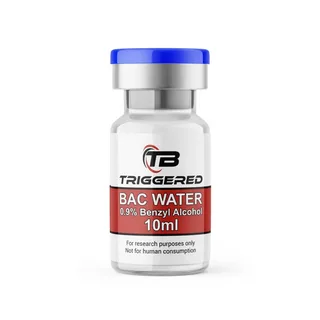
Bacteriostatic water (often abbreviated as bac water) is a sterile, non-pyrogenic water solution containing a small amount of benzyl alcohol (typically 0.9%) that acts as a preservative. It’s primarily used in medical, research, and peptide preparation settings.
Here’s a clear breakdown:
What It Is
-
Composition:
-
99.1% sterile water for injection
-
0.9% benzyl alcohol (preservative)
-
-
Purpose of Benzyl Alcohol: Prevents bacterial growth, extending shelf life once opened.
Uses
-
Diluting Medications & Peptides: Common in reconstitution of freeze-dried (lyophilized) peptides, hormones, or other injectable drugs.
-
Multiple-Dose Vials: Allows a single vial to be used multiple times without contamination, unlike sterile water (which must be discarded after one use).
-
Lab & Research Applications: Used where sterile, bacteria-inhibiting water is needed for mixing solutions.
Advantages
-
Extended Usability: Can be used for up to 28 days after opening when stored properly.
-
Reduced Waste: Multiple withdrawals from the same vial save time and resources.
-
Bacterial Protection: Benzyl alcohol prevents most bacteria from multiplying in the solution.
Storage & Handling
-
Store at 20–25°C (68–77°F), away from direct sunlight.
-
Keep the vial tightly sealed.
-
Always use a sterile needle when drawing water.
-
Discard if cloudy, discolored, or past expiration.
Important Notes
-
Not for infants under 1 month old: Benzyl alcohol can cause toxicity in newborns.
-
For injection or research use: Should be used only as directed by a healthcare provider or in controlled lab settings.
-
Do not use if seal is broken before first use.
| ML | 3ml/10vials, 10ml/10vials |
|---|---|
| Cat. No | WA3, WA10 |
Be the first to review “Buy bac.water Online”
Related products
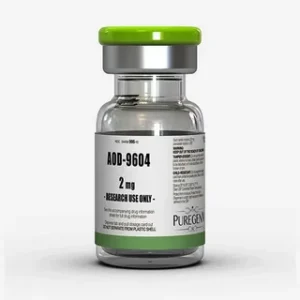
peptides
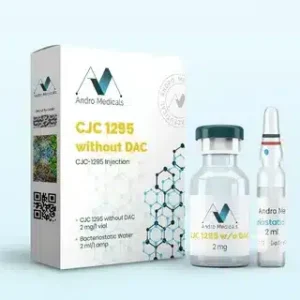
peptides
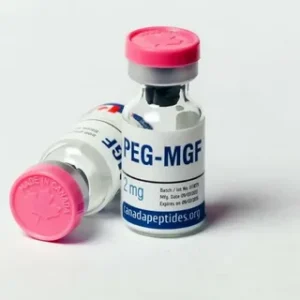
peptides
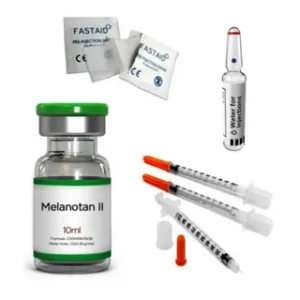
peptides
peptides
peptides
peptides
Reviews
There are no reviews yet.