
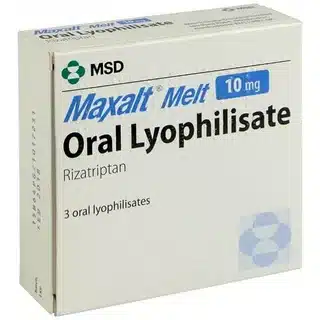
Lyophilisate refers to the product obtained through lyophilization, also known as freeze-drying. It is a solid, dry form of a substance—often a pharmaceutical, biological material, or food product—that has been preserved by removing water content through a low-temperature dehydration process under vacuum.
How is Lyophilization Performed?
-
Freezing: The product is frozen solid, turning the water content into ice.
-
Primary Drying (Sublimation): Under a vacuum, the ice sublimates directly from solid to vapor without becoming liquid, removing most of the water.
-
Secondary Drying (Desorption): Remaining bound water molecules are removed at slightly higher temperatures to achieve very low moisture content.
Benefits of Lyophilisate
-
Long Shelf Life: Removing water prevents microbial growth and chemical degradation.
-
Preserves Structure and Activity: Ideal for sensitive biological products like vaccines, peptides, proteins, and enzymes.
-
Easy Storage and Transport: Stable at room temperature or refrigerated without refrigeration in many cases.
-
Quick Reconstitution: Can be rapidly rehydrated to original form before use.
Common Uses of Lyophilisate
-
Pharmaceuticals: Vaccines, injectable drugs, antibiotics, and peptide therapies.
-
Biotechnology: Enzymes, antibodies, cell cultures.
-
Food Industry: Coffee, fruits, and herbs for preservation without losing flavor.
-
Research: Preservation of biological samples for study.
Examples of Lyophilisate Products
-
Lyophilized vaccines for easier transport and longer shelf life.
-
Peptide powders used in research or therapy, stored as lyophilisates for stability.
-
Freeze-dried fruit pieces for snacks.
Summary
Lyophilisate is the dry, stable product created by freeze-drying, allowing sensitive substances to maintain their integrity, extend shelf life, and be conveniently stored and transported. It plays a crucial role in pharmaceuticals, biotechnology, food preservation, and research.
| MG | 30mg/bottles |
|---|
Be the first to review “Buy Lyophilisate Online”
Related products
peptides
peptides
peptides
peptides
peptides
peptides
peptides
peptides
Reviews
There are no reviews yet.