


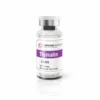
Thymosin Alpha-1 is a naturally occurring peptide fragment derived from prothymosin alpha, a protein found in the thymus gland. It plays a crucial role in regulating and enhancing the body’s immune response. First isolated in the 1970s, Thymosin Alpha-1 has been studied extensively for its immunomodulatory, antiviral, and anticancer properties.
How Thymosin Alpha-1 Works
Thymosin Alpha-1 acts by:
-
Stimulating T-cell production and differentiation, particularly CD4+ and CD8+ cells.
-
Enhancing the function of dendritic cells, macrophages, and natural killer (NK) cells.
-
Modulating cytokine production to promote a balanced immune response.
-
Increasing MHC Class I expression, which improves antigen presentation and immune system recognition of infected or abnormal cells.
Potential Benefits
-
Immune System Support
-
Enhances the body’s ability to fight infections, particularly in immunocompromised individuals.
-
Used as an immune booster in patients undergoing chemotherapy or suffering from chronic diseases.
-
-
Antiviral Activity
-
Shows promise against viruses such as hepatitis B and C, influenza, HIV, and more recently, has been explored as a supportive therapy in COVID-19.
-
-
Cancer Therapy Adjunct
-
Used in combination with chemotherapy and immunotherapy to improve immune function and treatment outcomes in certain cancers like melanoma and non-small cell lung cancer.
-
-
Autoimmune and Chronic Diseases
-
May help modulate overactive immune responses, offering potential relief for autoimmune disorders.
-
-
Anti-inflammatory Effects
-
Helps reduce excessive inflammation by balancing pro- and anti-inflammatory cytokines.
-
Medical Applications
-
Approved in several countries (such as China and Italy) for treating hepatitis B, hepatitis C, and as an adjunct therapy in cancer.
-
Not yet FDA-approved in the United States but available through compounding pharmacies and research channels.
Dosage and Administration
-
Typically administered via subcutaneous injection.
-
Dosage varies based on condition and medical supervision, often around 1.6 mg to 3.2 mg two to three times weekly, but protocols differ widely.
Side Effects and Safety
-
Generally well-tolerated.
-
Mild side effects may include:
-
Injection site reactions
-
Fatigue
-
Headache
-
-
Rarely, immune overactivation may occur, especially with improper use.
Conclusion
Thymosin Alpha-1 is a promising therapeutic peptide that supports and regulates immune function. Its potential applications span infectious diseases, cancer support, and autoimmune regulation. Though not widely approved in all countries, its use is growing in integrative and functional medicine settings due to its broad immune benefits and low side effect profile.
| MG | 2mg*10vials, 5mg*10vials, 10mg*10vials |
|---|---|
| Cat. No | TA2, TA5, TA10 |
Be the first to review “Thymosin Alpha-1”
Related products
peptides
peptides
peptides
peptides
peptides
peptides
peptides
peptides
Reviews
There are no reviews yet.